
Plenty of holiday let websites look lovely and take almost no bookings. Guests land on them, scroll through the photos, then go back to a booking platform to actually book. The website did its job as a brochure, and the platform took the commission.
The difference between a brochure and a booking website usually comes down to a handful of things.
Booking on every page
If a guest has to hunt for the booking button, some of them won’t bother. Availability and a way to book should be one click away from every page, not tucked away on a page of its own.
That doesn’t mean a pop-up or a flashing banner. It means a clear button in the header, and a date picker on every property page, right next to the photos that made them want to stay.
A page for each property
Each property, room type or pitch deserves its own page. Guests are often searching for something specific, like a cottage that sleeps six, or a dog-friendly cabin with a hot tub, and a page that matches that search is far more likely to rank and to convert.
Each page should answer the questions guests ask before they book:
- How many people it sleeps, and how the beds are set up
- What’s included, and what costs extra
- The price, or at least a starting price
- Where it is, and how to get there
- Whether dogs, children or late arrivals are welcome
If a guest has to send a message to find out, you’ve added a step between them and the booking. Some of them will book somewhere else instead.
Photos that sell, and load fast
Guests choose a stay with their eyes. Big, honest photos of every room and the view from the terrace do more selling than any amount of copy.
They also need to load quickly, especially on a phone. A gallery of uncompressed photos can make a page slow enough that people leave before it finishes loading, and Google notices that too.
Reviews where they help
Reviews are one of the first things guests look for. Rather than a separate reviews page nobody visits, put them on the property pages, close to the booking button, where they help someone decide.
A booking system that fits
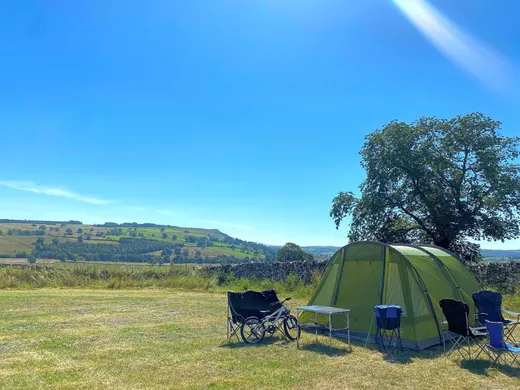
There are two good options. You can build booking and payments into the website itself, with availability synced to the platforms you list on, so nothing gets double booked. That’s what we built for Helton Campsite. Or, if you already use a booking engine you’re happy with, the website can be designed around it.
Either way, the guest should be able to choose their dates, pay and get their confirmation without feeling like they’ve been sent somewhere else.
Keep the platforms, add your own
None of this means giving up the booking platforms. They’re good at helping guests discover you. The aim is to have a source of bookings of your own alongside them, so every guest who finds you by name, through Google or from a friend can book direct.
If your website isn’t doing that yet, book a call and we’ll take a look at it together.